
goki66 – toys with “Flower Power”
A new start towards a colourful togetherness – change with “Flower Power” and “Make Love Not War”
goki66 is more than a toy – it is a way of life. Inspired by the spirit of the 1960s, the range stands for colour, courage and joie de vivre. At a time when over 20% of children are under psychological strain, goki66 sends a positive message: bold colours, child-friendly design and sustainable materials promote creativity, motor skills and optimism.
For little adventurers, not pastel Pinterest boards. For cheerful colour explorers, not monochrome moodboards. For colourful childhood joy, not grey everyday aesthetics. goki66 brings joy into children’s rooms, colour into life and hope into our time.


The goki66 collection – a new start towards a colourful togetherness
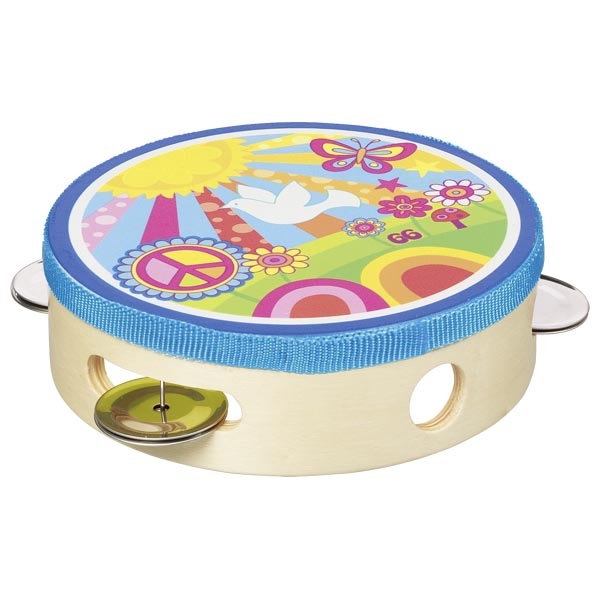
with bells

Sun swirl

elastic rainbow van
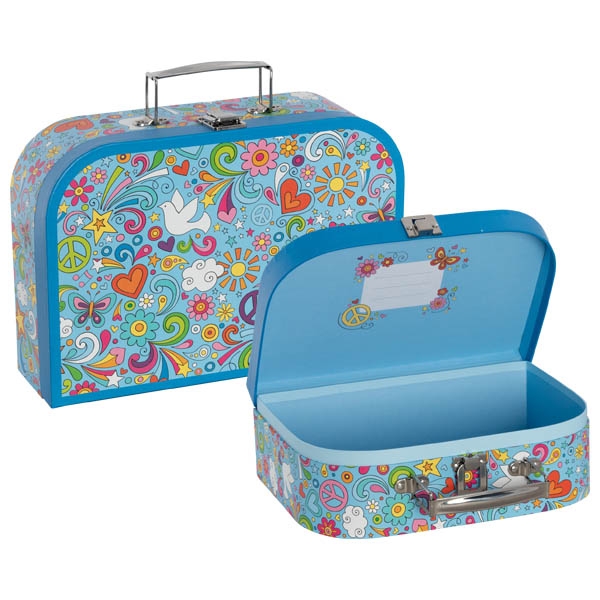
Love & Peace
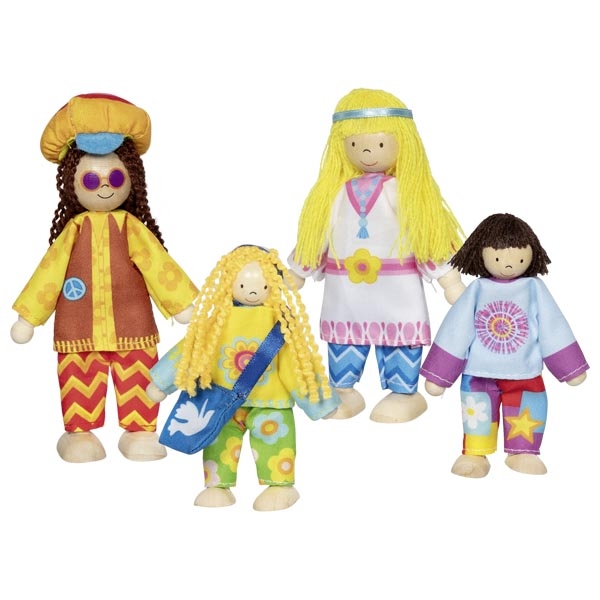
Love & Harmony
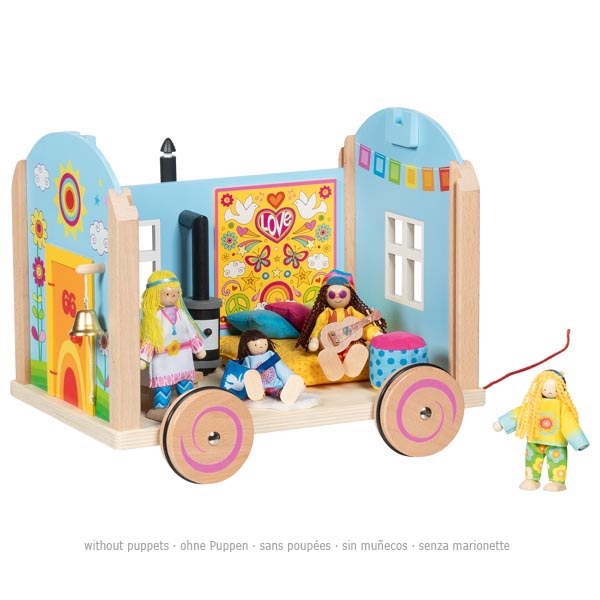
Spirit
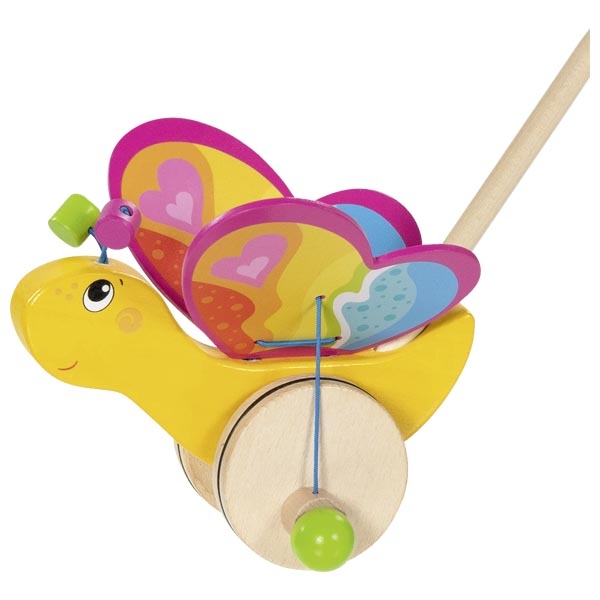
butterfly Labelle
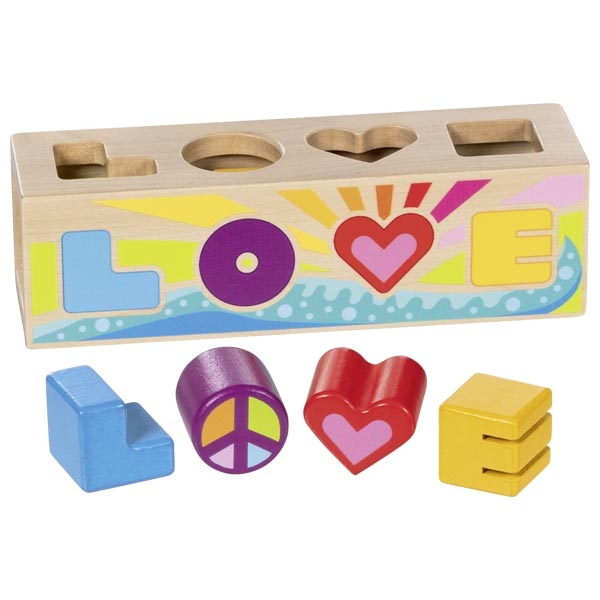
LOVE
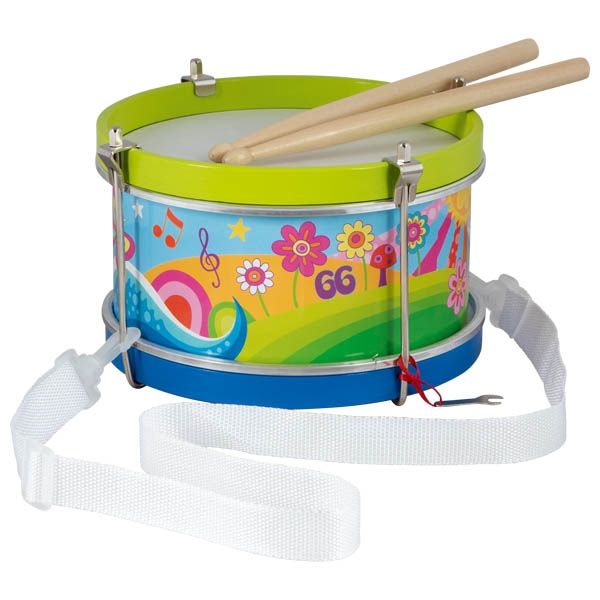
Flower meadow
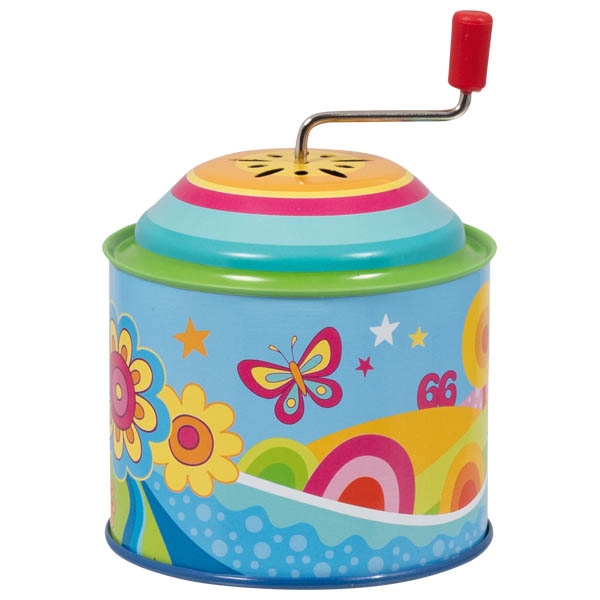
sunshine happiness
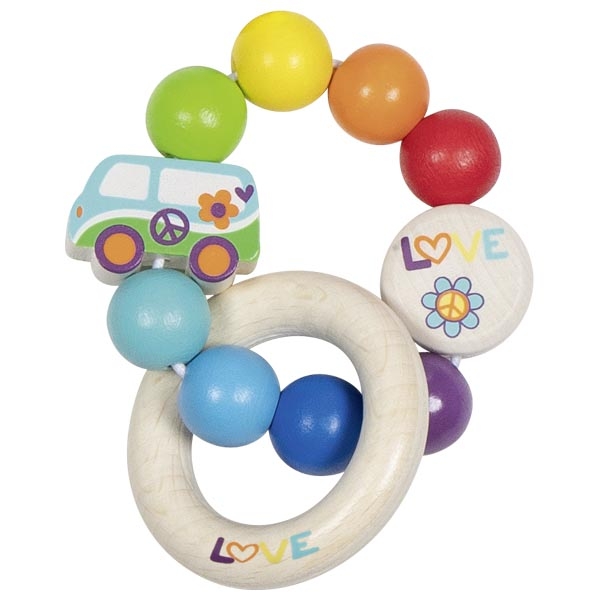
elastic rainbow van
A matter close to founder Gerhard Gollnest’s heart
“The 1960s shaped me, and I can say with conviction: ‘I am a child of the 1960s.’ My generation wanted change, did not want to live like our parents, and was searching for a ‘better’ world.
A world at peace, with equality lived in practice, free from discrimination, without mental borders. A life in harmony with nature and with limited commercialism. This generation set about making it happen, against all odds.
Civil rights, peace and environmental movements had their origins in that decade and continued to have an impact well into the 1970s and 1980s. The Vietnam War moved and angered us, and I remember the nights in our town’s market square, where we held very emotional, peaceful candlelit vigils. Bob Dylan, Joan Baez, Donovan … gave the protest its voice with their songs. New music inspired the world. The Beatles made the older generation shake their heads.
We wore our hair long, and our clothes came, among other places, from army surplus shops. For me, the 1960s were my youth. We tried out many things, with courage, a pioneering spirit and a great deal of joie de vivre. We wanted change with “Flower Power” and “Make Love Not War.”
“At the end of the 1960s, we students, together with Rio Reiser, occupied an empty public building that was meant to become our first youth centre. That did not work at all.
Our demonstrations increased and culminated in the largest our town has ever seen to this day. That had an effect. As a result, the first two self-managed youth centres were established. We were given the premises, and we took care of the furnishings ourselves, which consisted mainly of mattresses.
A line of lyrics by Rio Reiser and his band “Ton, Steine, Scherben” has become a guiding principle for me:
“Everything changes when you change it, but you cannot win as long as you are alone.”
The seeds of the 1960s came to fruition in the 1970s. Organic farming and environmental organisations developed. The ideals of individualism and creativity produced a new generation of researchers and students who founded their own companies.
My own path into self-employment began in the early 1970s and later, quite naturally, led to founding goki (1981) together with my business partner.”
“When politicians today rather casually speak of a ‘turning point’, they should acknowledge that the free world knows only one real turning point, and it began in the 1960s.
It was initiated and carried through by society itself. After a busy, eventful life, I can see that we achieved a great deal. Most people would describe what was achieved as ‘prosperity’, and that is by no means wrong.
We had actually made quite good progress on the path to ‘creating peace without weapons’, too. Many areas of life developed positively, but then we increasingly strayed from this good path.
Greed, money and unbridled commercialism are in the process of destroying everything that has been achieved. Sport is a good example of how we deal with our values and ideals. No longer do cities compete with cities, regions with regions in peaceful, fair competition – it is almost exclusively money against money.
Once again we have a war, and nature is showing us our limits. A fearful society, in trying to hold on to prosperity, is heading down the road to defeat.”
“It is time for a new beginning. A beginning with courage and confidence, accompanied by a great deal of joie de vivre. I cannot and will not accept that more than 20% of our children and young people suffer from mental health problems.
Out of conviction, I once formulated the core statement of our goki philosophy:
“Everything we do, we do for children”.
We plant trees, build schools, conserve resources – but we must do more! Colourful toys release happiness hormones.
The 1960s were colourful, and I want to give children this colourfulness and its positive effects. Gone is the dreary monotony, the grey and white that may suit adults’ furniture and wallpaper, but not children – and it is for children that I work, that we at goki work.
So let us enjoy a little of the joie de vivre of the 1960s together, for the benefit of children and ourselves.”
Gerhard Gollnest